
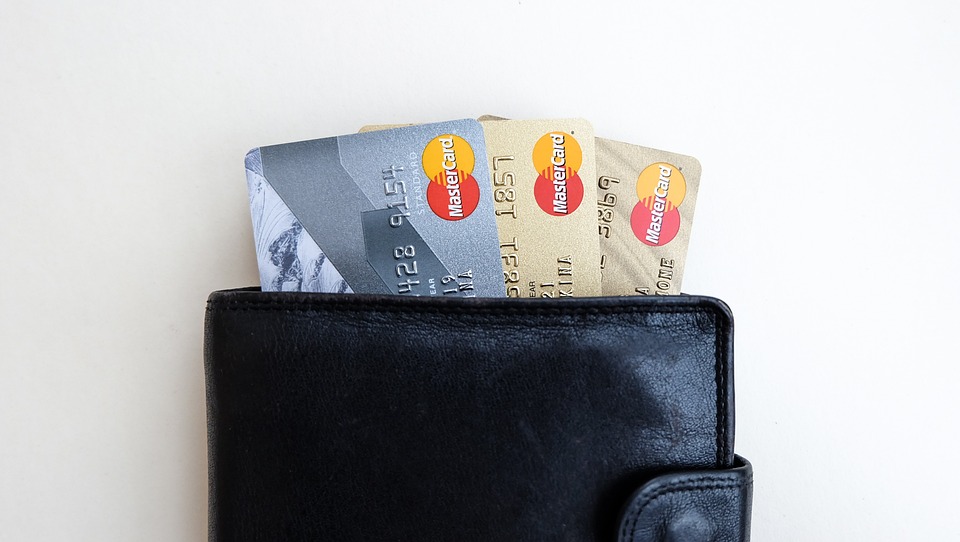
The Secret Weapon for E-commerce Success: A Great Payment Processor
In the fiercely competitive landscape of e-commerce, building a successful online store requires a multi-faceted approach. You need a compelling product, a user-friendly website, effective marketing, and outstanding customer service. However, one crucial element often gets overlooked, yet silently dictates the success or failure of your online venture: your payment processor.
While the other aspects of your business are visible and actively managed, your payment processor works quietly behind the scenes, facilitating the very lifeblood of your business – financial transactions. It’s the invisible engine powering your revenue stream, and choosing the right one can be the difference between smooth sailing and choppy waters.
Why is a great payment processor so critical? Let’s break it down:
1. Seamless Customer Experience: In the age of instant gratification, a clunky or unreliable checkout process is a surefire way to lose customers. A great payment processor offers a smooth, intuitive, and secure checkout experience, minimizing friction and encouraging completion of the purchase. This means offering multiple payment options, clear instructions, and minimal loading times. Think about it: would you complete a purchase on a website that looks outdated and asks for an endless amount of information? Probably not.
2. Enhanced Security and Fraud Protection: Online transactions are susceptible to fraud, and a robust payment processor provides the necessary security measures to protect your business and your customers’ sensitive data. Look for features like PCI DSS compliance, address verification services (AVS), card verification values (CVV), and fraud scoring systems. A breach in security can be catastrophic, damaging your reputation and leading to financial losses. A reliable payment processor acts as a vital shield, mitigating these risks.
3. Increased Conversions and Sales: A streamlined checkout process directly translates to higher conversion rates. When customers can easily pay with their preferred method, whether it’s credit card, debit card, digital wallets like Apple Pay and Google Pay, or even buy-now-pay-later options, they’re more likely to complete their purchase. A good payment processor offers a variety of payment options and optimizes the checkout flow for conversions.
4. Improved Cash Flow Management: A robust payment processor offers transparent reporting and analytics, allowing you to track your sales, monitor transactions, and manage your cash flow effectively. Real-time data insights help you identify trends, optimize pricing strategies, and make informed business decisions.
5. Reduced Chargebacks and Disputes: Chargebacks are a costly and time-consuming headache for e-commerce businesses. A good payment processor provides tools to prevent chargebacks and effectively manage disputes, such as providing clear transaction details to customers and offering dispute resolution services. Some processors even offer chargeback protection programs.
6. Global Reach and Scalability: If you’re planning to expand your business internationally, you need a payment processor that supports multiple currencies and payment methods used in different regions. A scalable payment solution allows you to grow your business without being limited by your payment processing infrastructure.
7. Competitive Pricing and Fees: payment processing fees can significantly impact your bottom line. It’s crucial to compare pricing models and fees from different providers to find the most cost-effective solution for your business. Understand the different fee structures, such as transaction fees, monthly fees, and chargeback fees.
Choosing the Right Payment Processor:
Selecting the right payment processor requires careful consideration of your business needs and priorities. Consider factors such as:
- Your Business Model: Are you selling physical products, digital goods, or services? Do you need recurring billing capabilities?
- Transaction Volume: How many transactions do you process per month?
- Average Transaction Size: What is the average value of each transaction?
- Security Requirements: Do you need advanced fraud protection features?
- Integration Capabilities: Does the payment processor integrate seamlessly with your e-commerce platform and other business systems?
- Customer Support: Does the payment processor offer reliable customer support?
There are many payment processors available, each with its own strengths and weaknesses. Some popular options include Stripe, PayPal, Square, and Authorize.Net. Researching and comparing different providers is crucial to finding the perfect fit for your e-commerce business. If you’re already using an existing e-commerce platform, many, like Shopify, have their own integrated options.
For example, Authorize.Net is a well-established payment gateway that offers a wide range of features and integrations.
Don’t Overlook the Small Details
Don’t underestimate the impact that a great payment processor can have on your e-commerce success. It’s not just about processing transactions; it’s about creating a seamless, secure, and efficient experience for your customers and empowering you with the tools and insights you need to grow your business.
FAQs
Q: What is a payment gateway?
A: A payment gateway is a technology that connects your e-commerce website to a payment processor. It securely transmits transaction data from your website to the payment processor and then relays the approval or denial back to your website.
Q: What is PCI DSS compliance?
A: PCI DSS (Payment Card Industry Data Security Standard) is a set of security standards designed to protect cardholder data. All businesses that process, store, or transmit credit card information are required to comply with PCI DSS.
Q: What are the different types of payment processing fees?
A: Common payment processing fees include transaction fees (a percentage of each transaction), monthly fees, chargeback fees, and statement fees.
Q: How can I prevent chargebacks?
A: You can reduce chargebacks by providing clear product descriptions, shipping products quickly and securely, responding promptly to customer inquiries, and using fraud prevention tools.
Q: How important is mobile optimization for payment processing?
A: Extremely important. A significant portion of online shopping happens on mobile devices, so ensuring your payment process is mobile-friendly is crucial for maximizing conversions.
Conclusion
In the dynamic world of e-commerce, a great payment processor is not just a convenience – it’s a strategic weapon. It empowers you to create a positive customer experience, safeguard your business from fraud, streamline your operations, and ultimately, drive revenue growth. Take the time to carefully research and select a payment processor that aligns with your specific business needs and long-term goals.
If you’re feeling overwhelmed by the complexities of merchant processing and need expert guidance in finding the perfect solution for your e-commerce business, don’t hesitate to reach out. Contact Payminate.com today for personalized assistance and expert advice. They can help you navigate the options and secure the best rates and features to propel your online business to success. Their team of experts are ready to help you with your merchant processing needs.