
Since 2012 we have been helping businesses of all sizes find the best payment processing solutions to fit their needs – with the best rates and lowest fees, guaranteed.
If you are interested in payment processing / credit card processing or merchant services for you business, please contact Payminate today!
When you think about running a business, payment processing may not be the first thing on your mind. However, it is a vital part of ensuring your business runs smoothly and continues to grow. For many business owners, especially those in industries deemed ‘high-risk’, finding the right credit card payment processing solution can feel overwhelming. But do not fret! This guide will walk you through important aspects of navigating merchant accounts, especially if you fall into that high-risk category.
Key Information
- payment processing is key for sales: Accepting credit and debit cards can greatly increase sales.
- High-risk industries need specialized solutions: High-risk merchants may face challenges but can still find suitable payment processing solutions.
- Understand fees and charges: Knowing the costs involved helps in budgeting and eliminating surprises.
- Work with a trusted provider: Collaborating with established payment processors like Payminate.com can ease your transition.
Why payment processing is Important
What is payment processing?
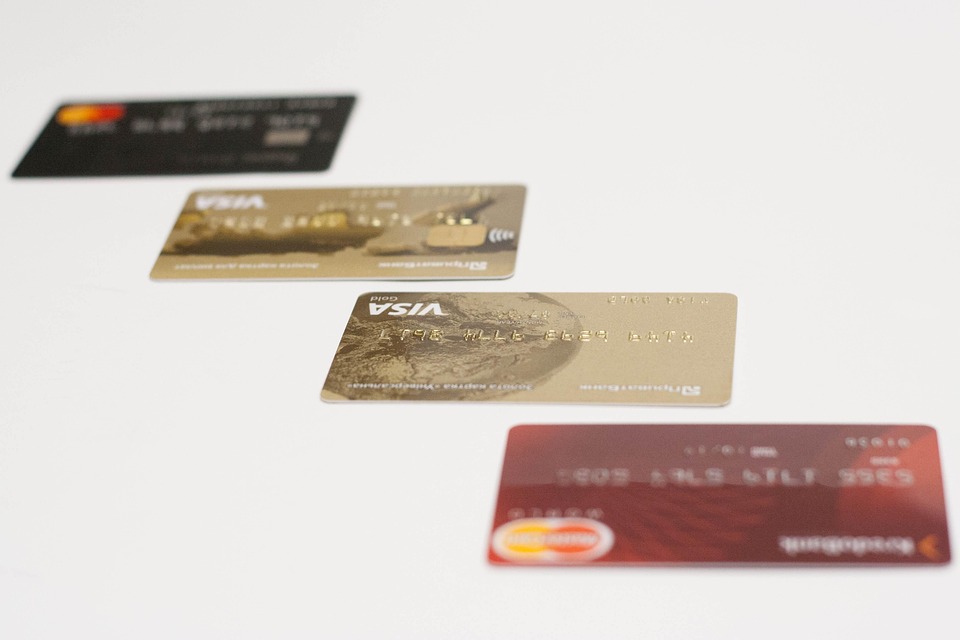
Simply put, payment processing is how businesses accept credit and debit card payments. It involves different players—your bank, the customer’s bank, and the card networks (like Visa or Mastercard)—coming together to complete a transaction.
Why Does It Matter?
-
Boosting Sales: Accepting cards allows customers to pay in a way that’s convenient for them. For instance, online shoppers often prefer to pay with cards, and businesses that don’t accept cards can miss out on sales.
-
Building Trust: Customers feel more secure shopping with businesses that accept credit and debit cards. If a customer has to pay cash or check, they may worry about the business’s legitimacy.
-
Cash Flow Management: Electronic payments are usually processed faster than checks or cash, which means you get your money sooner.
-
Improved Customer Experience: Many customers appreciate the ease of using cards. The more straightforward the payment process, the more likely they will return.
Examples of payment processing in Action
Imagine running a bakery. If you only accepted cash, many customers might walk away empty-handed because they didn’t have cash on them. However, if you have a card reader, customers can easily pay for their treats, leading to higher sales.
Further, consider an online store selling handmade crafts. Without a reliable payment system, customers might abandon their shopping carts at checkout, leading to lost sales. Accepting credit cards makes the process seamless, encouraging them to complete their purchases.
Why You Need a payment processing Solution
Save Money
Having efficient payment processing can save you money in several ways:
-
Reduced Costs: With competitive pricing from providers, you can find plans that best fit your needs, lowering your processing charges.
-
Minimized Chargebacks: Efficient systems help track transactions and manage disputes effectively, which can save you fees incurred from chargebacks (when a customer disputes a transaction).
-
Streamlined Operations: A robust payment system can reduce the time spent managing transactions, thus lowering labor costs.
Get More Customers
-
Broader Payment Options: The more payment options you offer, the larger your customer base can be. For example, accepting digital wallets alongside traditional credit cards can attract more tech-savvy buyers.
-
Enhanced Customer Loyalty: Making it easy for customers to buy helps keep them coming back.
-
Increased Trust: By having a secure payment system, potential customers are more likely to feel comfortable making purchases.
FAQs About payment processing
1. What is a high-risk merchant account?
A high-risk merchant account is a type of payment processing account designed for businesses that operate in industries with higher chances of fraud or chargebacks, such as online gambling or health supplements.
2. How do I know if I need a high-risk merchant account?
If your business has had a history of chargebacks, operates in certain industries, or has a business model that may raise red flags for payment processors, you may need a high-risk account.
3. What are the costs of payment processing?
Costs can vary widely depending on the provider but can include transaction fees (a small percentage of each sale), monthly fees, and setup costs. Make sure to read all agreements to understand what you’ll pay.
4. Can I accept payments online?
Yes! Most payment processors support online payments, which are especially beneficial for ecommerce businesses.
5. How do I choose the right payment processor?
Look for a provider that offers competitive rates, good customer support, and services tailored to your industry. Reading reviews or getting referrals can provide valuable insights.
Conclusion
Navigating high-risk merchant accounts and finding the right payment processing solution can be challenging. However, by understanding what payment processing entails and why it’s essential, you can enhance your business operations significantly.
Accepting credit card payments not only streamlines transactions but can also increase sales, build trust, and ultimately foster business growth. If you’re feeling overwhelmed, consider reaching out to a payment processing company like Payminate.com for a free quote. They specialize in helping businesses like yours navigate payment processing needs, ensuring you can focus on what you do best: running your business.
In the competitive landscape of business, aligning yourself with the proper payment processing solution can be a game-changer. Don’t let the fear of high-risk labels hold you back; take charge and watch your business thrive!
Frequently Asked Questions
What makes a business “high risk”?
Processors assign a high-risk label based on chargeback likelihood, industry regulation, average ticket size, and whether the model involves recurring billing or delivery well after payment. Industries such as CBD, nutraceuticals, firearms, travel, subscriptions, adult, and debt services commonly land in this bucket — often regardless of how well the individual business is run.
Can I get approved if I have been declined or terminated before?
Usually, yes. Prior declines, a MATCH listing, or a closed account do not automatically disqualify you — they change which banks are a realistic fit. Underwriting will want to see processing history, chargeback ratios, and how earlier problems were resolved. Payminate works with all risk levels and typically returns a decision in 24 to 72 hours.
Do high-risk merchant accounts cost more?
Generally yes. Higher rates, a rolling reserve, or volume caps offset the bank’s added exposure. The spread varies widely by industry code and by your own chargeback history, so a quote against your actual MCC and volume tells you far more than published industry averages.
What is a rolling reserve?
A percentage of your processing volume that the bank holds temporarily to cover potential chargebacks, then releases on a rolling schedule. Terms vary but a common structure is 5–10% held for roughly six months. Not every high-risk account requires one, and reserve terms often improve after you build a clean processing history.
Still have questions? Payminate has been helping businesses of every risk level get approved since 2012 — no hidden fees, no long-term contracts. Talk to our team or start your application.